Retirement Life
6 May 2026
Surviving an economic shock
The global economy has changed due to the war in the Middle East. Here at home, we are facing rising costs just as we had reached a point where inflation was within an acceptable range and interest rates were stabilising.
There is nothing like an oil price shock to disrupt the world economy, and we have had many of them. The most recent was in 2022 when Russia invaded Ukraine. Energy costs jumped, and this flowed into transport, food and manufacturing costs.
Around the world, inflation soared to levels not seen for decades. That’s because oil is such a critical ingredient in many manufactured products. Higher inflation generally leads to higher interest rates as central banks attempt to dampen demand and thereby reduce price pressures. This, in turn, leads to slower economic growth.
The oil shocks of the 70s – and the end of an era
Perhaps the most memorable oil price shock was in 1973 when oil prices quadrupled. They then doubled again in 1979. The 1970’s are remembered for rampant inflation (10-20%) and mortgage interest rates of 15-20%. Economic growth stalled because businesses were facing higher costs and reduced demand. The result was ‘stagflation’ – slow growth and high inflation.
Those were the days of price and wage freezes as governments tried to stabilise the economy. On the plus side, the high price of oil led to the development of more fuel-efficient cars and to investment in other forms of energy, such as solar power. Carless days were introduced to cut back on petrol consumption.
For New Zealand, the 1973 oil price shock marked the end of a golden era of prosperity. It was a turning point that led to the 1984 reforms led by Sir Roger Douglas, which changed New Zealand from a highly regulated economy to a very open economy, with reduced tariffs, the removal of subsidies, a floating exchange rate, deregulation of banking and the formation of State-Owned Enterprises tasked with making profits.
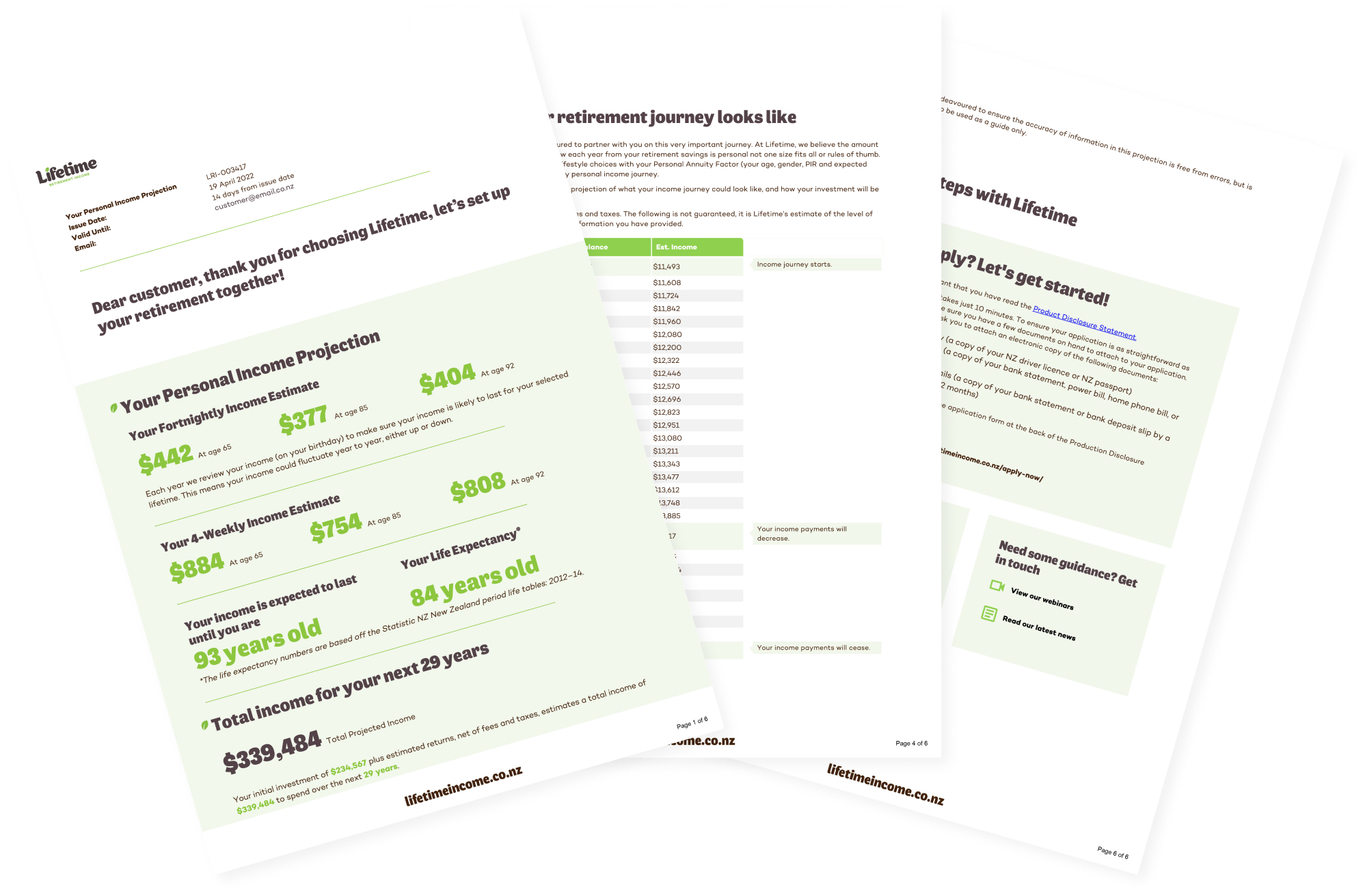
How much could you get a fortnight with Lifetime Home?

Surviving the current economic shock
It is unlikely we will see such a significant impact as this if oil prices return to stability in the near future. Even so, economists are predicting higher inflation and lower economic growth for New Zealand. There is already considerable stress on people’s budgets due to rising living costs, and it looks as though, at least in the short term, this situation is going to get worse.
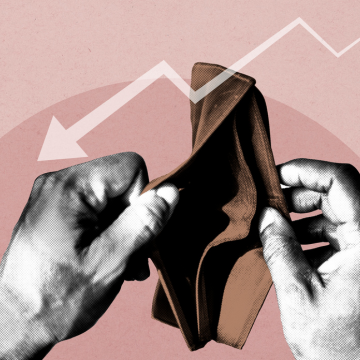
Surviving an economic shock requires a rethink of family budgets. While most people strive to improve their financial circumstances over time, there are periods when it is enough to survive and not go backwards.
Here are the best ways to cut back on living costs:
1. Take a look at your bank statements for the last three months or so. Separate your spending into three categories
(i) Fixed expenses which you have little or no control over (such as insurance, rates, internet costs)
(ii) Discretionary expenses over which you have full control and which are not essential (dining out, new clothes, beauty products, entertainment)
(iii) Expenses which are essential and which you have some control over (food, petrol, gifts, etc.)
2. The easiest expenses to cut back on are the discretionary expenses. You can limit this type of spending by setting up a separate bank account for these items.
3. If you are not paying rent or a mortgage, your biggest expense is likely to be food and other grocery items. Take a hard look at what you are spending and see what can be cut back. Plan your meals for the week, buy cheaper brands, and leave out ‘nice to have’ items. Depending on the size of your household and your usual buying habits, you may be able to save $50-$100 a week by spending less on food.
4. Review any automatic payments or direct debits you have set up for expenses that are not essential. This might include subscriptions, memberships, donations, etc.
5. Shop around for better deals on essential expenses such as insurance, power, phone and internet services.
Tough times call for tough decisions, but this situation will not last forever, and if necessary, we will adapt to a new world order. The key focus now is on riding out the aftermath of the oil price shock without going into debt or increasing your financial stress.
Similarly, if the rising cost of living is leaving you further behind your vision of a comfortable retirement, it may be time to explore alternative options - such as Lifetime Home, a home equity release product designed to supplement your NZ Super with convenient fortnightly payments.
Learn about Lifetime Home Today: Request an Info Pack
Project your retirement income.

Written by:
Liz Koh
Liz Koh is a money expert who specialises in retirement planning.
Invest with Lifetime for a retirement income managed for living.