Retirement Life
25 March 2026
Coping with pressure at the pump
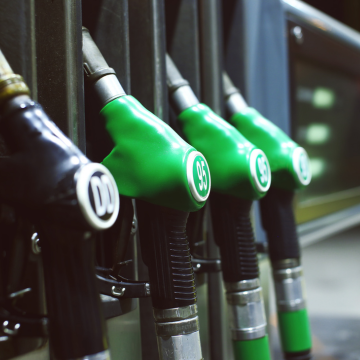
Soaring petrol prices, driven higher by the turmoil in the Middle East, have sparked queues and panic buying at stations across the country. For retirees on fixed incomes, the spike will bite hard. You can’t control global tensions – but you can take back some control at the pump.
Oil markets have been in disarray, with oil shipments disrupted through the Strait of Hormuz due to the ongoing war in the Middle East. This has triggered volatility in global energy markets, driving up fuel costs at home and putting yet more pressure on the cost of living.
If you’re concerned about how wider market swings may affect your investments, Martin Hawes’ earlier article, Stomaching the ups and downs of investing offers useful context on coping with market volatility in retirement.
While there's no quick fix for international geopolitics, small adjustments at home can still make a meaningful difference to your fuel bill and your budget. Here are some practical, everyday strategies to help stretch every litre at the pump.
How much would you get a fortnight with Lifetime?

1. Drive smarter, not harder
Smooth, steady driving burns less fuel. Hard braking and rapid acceleration chew through petrol fast, so aim to ease into stops and keep your speed consistent. If your car has cruise control, use it.
Speed matters too. According to the Energy Efficiency and Conservation Authority (EECA), dropping from 100 km/h to 80 km/h can cut fuel use by around 15% (only do this if it is safe). And the Motor Trade Association notes that for every 10 km/h over 90 km/h, fuel consumption rises by about 6%. The faster you go, the faster your money disappears.
And don’t forget idling. If you’re parked and waiting, switch off the engine unless it’s a very brief stop.
2. Cut back on the quick trips
Cold engines are thirsty engines. Waka Kotahi NZ Transport Agency figures show that short trips use 20% more fuel when the car is cold. So, try batching errands into one longer trip - and consider walking or biking when it’s practical. It’s good for your wallet and your body.
3. Lose the extra weight and drag
Driving around with sports gear, tools, or a roof rack when you’re not using them? That added weight and wind resistance mean extra fuel burned. Even driving with windows down at higher speeds increases drag.
And yes, the air conditioning uses extra petrol too. Use it when you need it, but don’t blast it unnecessarily.
4. Pump up those tyres
Proper tyre pressure is one of the easiest ways to improve fuel efficiency. Underinflated tyres make your car work harder, wasting petrol. Remember to add extra pressure when towing or carrying heavy loads, and don’t forget the trailer tyres.
5. Keep your car in good shape
A well-maintained vehicle can use 10–20% less fuel, according to EECA. Regular servicing, clean filters, and even choosing eco-tyres can make a noticeable difference.
6. Shop around before you fill up
Fuel prices vary more than you might think - even within the same town. Apps like Gaspy can point you to the cheapest pump nearby, helping you save.
For households on a fixed income, every dollar has to work hard. So let's take control back where we can.
Want to know more?


Written by:
Sonia Speedy
Sonia Speedy has been a journalist for over 20 years, working in newspapers, magazines and radio. She also runs an online platform for parents at familytimes.co.nz. She lives on the Kāpiti Coast with her young family and loves writing stories that help make people's lives easier.
Invest with Lifetime for a retirement income managed for living.