Retirement Life
11 March 2026
Is it bye-bye to buy-and-hold for retirement income?
The property market in New Zealand has experienced some unusual patterns in price changes over the last eight years.
The post-COVID boom saw prices surge ahead by about 42% between 2019 and 2022. They then fell by up to 30% in many areas, landing slightly ahead of pre-COVID prices. This was followed by a period of stagnant prices until the present time. These changes have been unsettling for property investors who have typically relied on a long-term trend of 5-7% annual property price increases, with low volatility.
A structural change
Property has always been a preferred form of investment for Kiwis saving for retirement. Landlords are typically people in the mid- to late stages of their careers who own fewer than five properties and aim to build enough wealth through property to provide income in retirement. These investors usually adopt a ‘buy and hold’ investment strategy to build long-term wealth. Complementing this group are investors with plans to build large portfolios by taking on much higher levels of risk through borrowing in order to create wealth in a shorter time frame. Their strategy often involves buying cheap and selling again at a much higher price after adding value through improvements – known as property ‘flipping’.
Both groups of investors have struggled to achieve their goals in recent years after what has recently been described by Paul Conway, the Reserve Bank’s chief economist, as ‘a structural change to the property market’.
Request your free info pack today!

In their November Monetary Policy Statement, the Reserve Bank signalled that future house price growth will be moderate. There are several reasons for this:
- Population growth remains weak due to low net migration. Fewer people are migrating to New Zealand, and there is an upward trend in the number of people leaving the country.
- Long-term mortgage interest rates are still on the high side.
- There is an increase in the supply of housing due to housing intensification policies and less restrictive zoning.
All over for ‘Mum and Dad’ property investors?
Noted economist Tony Alexander, who specialises in the property sector, has weighed in on the idea of a structural change by listing ‘16 reasons why it’s all over for mum-and-dad property investors’ in a recent article. These reasons include bank lending restrictions, tax changes for property investors, higher costs of owning a property (rates, insurance, maintenance and Healthy Homes requirements), tenancy laws swinging more in favour of tenants, greater awareness of other forms of investing (such as KiwiSaver), reduced expectations of property price growth and fears around the introduction of capital gains tax.
The NZ economy: “a housing market with bits tacked on”
Financial journalist Bernard Hickey has previously described the New Zealand economy as “a housing market with bits tacked on”. That’s because house prices have a significant effect on people’s confidence and desire to spend. This is the so-called ‘wealth effect’ – when house prices rise sharply, people feel wealthier, spend more and borrow more. In doing so, they stimulate the economy, contributing to higher inflation. Of course, the opposite is also true when house prices fall.
Proponents of a capital gains tax have long argued that property has had an unfair advantage over other forms of investment and that a capital gains tax would level the playing field.
Pulling all this together, it would seem that investment portfolios will be much less reliant on directly held investment property in future, and that is probably a good thing, not only for investors but also for those wishing to get a foot on the property ladder.

What it means for retirement income
The combination of low property price growth, lower rent increases and higher property costs now make rental property an unattractive source of retirement income. Gone are the days when you could rely on income from one or two rental properties to top up NZ Superannuation. There just isn’t a high enough net return when compared to alternative investments.
There are other disadvantages of owning property in retirement too. Maintenance costs, such as painting, roofing, re-carpeting and plumbing, can be large, unexpected amounts which have to be funded from savings. And it’s difficult to access the wealth tied up in the property unless it is sold. On top of this are the hassles of being a landlord, which can take away from the enjoyment of retirement.
It seems that directly held investment property has had its day.
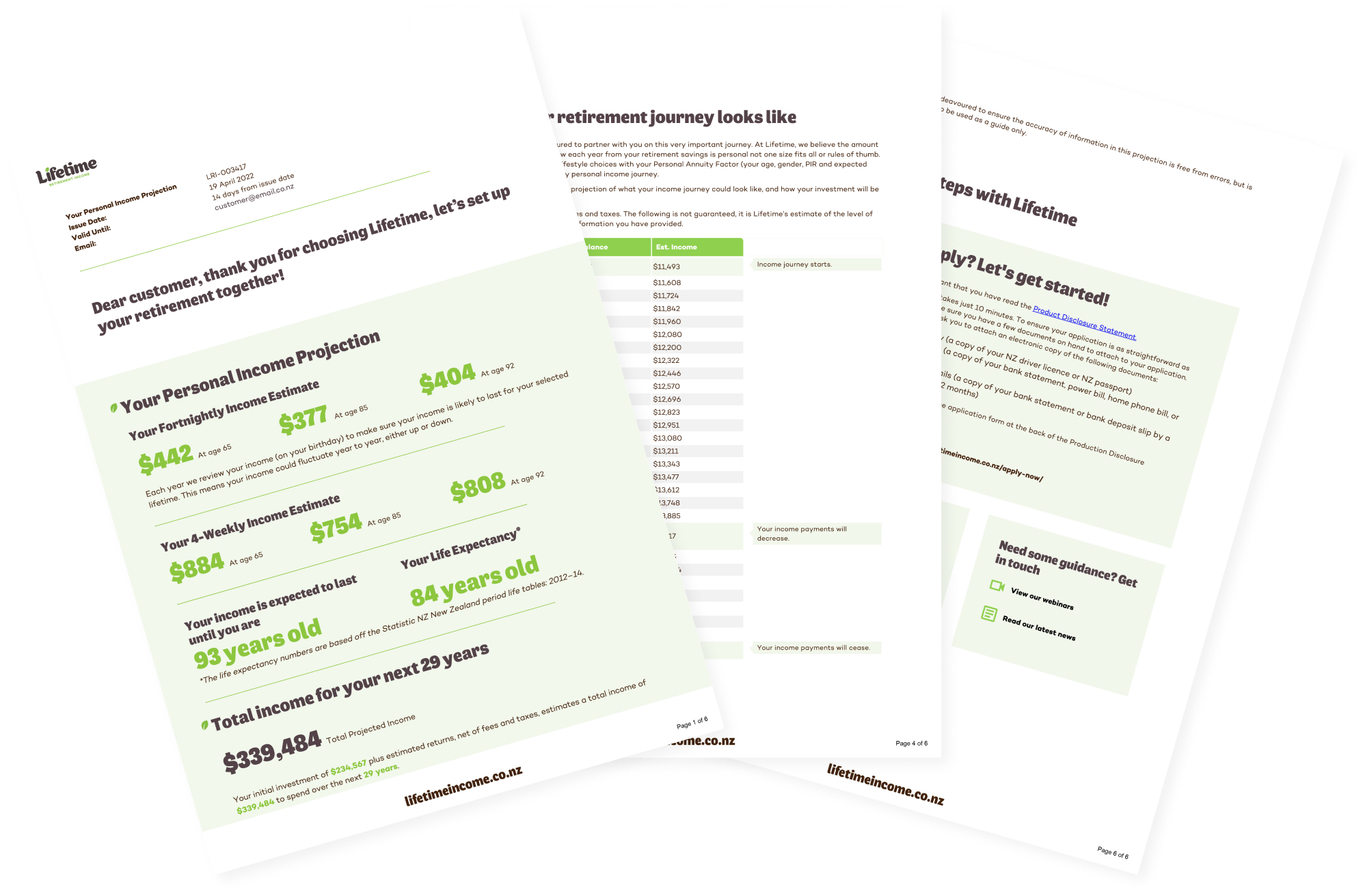
Project your retirement income.

Written by:
Liz Koh
Liz Koh is a money expert who specialises in retirement planning. The advice given here is general and does not constitute specific advice to any person.
Invest with Lifetime for a retirement income managed for living.