Retirement Life
17 June 2026
When need becomes greed: elder financial abuse
At what point does helping a family member out start crossing the line into something more sinister? It’s a difficult question for seniors - and one at the heart of many cases of elder financial abuse.
This week - 15 to 22 June - is Elder Abuse Awareness Week, and Age Concern New Zealand Professional Educator; Elder Abuse and Neglect Prevention, Hanny Naus, says psychological abuse is the most common form of elder abuse it sees. However, this is followed by financial abuse, with the two closely linked.
What is financial elder abuse?
Money doesn’t have to change hands for financial abuse to take place. It can simply be a misuse of financial resources.
“It might be something like being pressured into going guarantor on a loan - that can still be financial abuse,” Naus says.
“Especially when the car payments aren't met, or the loan is forfeited, or the mortgage payments aren't made.”
It can also include things like:
- Being pressured into providing loans or financial help
- Having property or possessions used without clear agreement
- Family members living with you but not contributing fairly
- Being encouraged - or pressured - to hand over control of your finances
The challenge is that many of these situations can begin with good intentions, or as a gift and usually involve family. An older person may genuinely want to help a child or grandchild through a tough patch. But over time, expectations can shift - and what began as support can slide into something more exploitative.
“Often it starts as really good family bonding but ends up as being very abusive in a way that the younger generation doesn't even recognise as abuse or doesn't want to think of it that way because it's to their advantage,” Naus says.
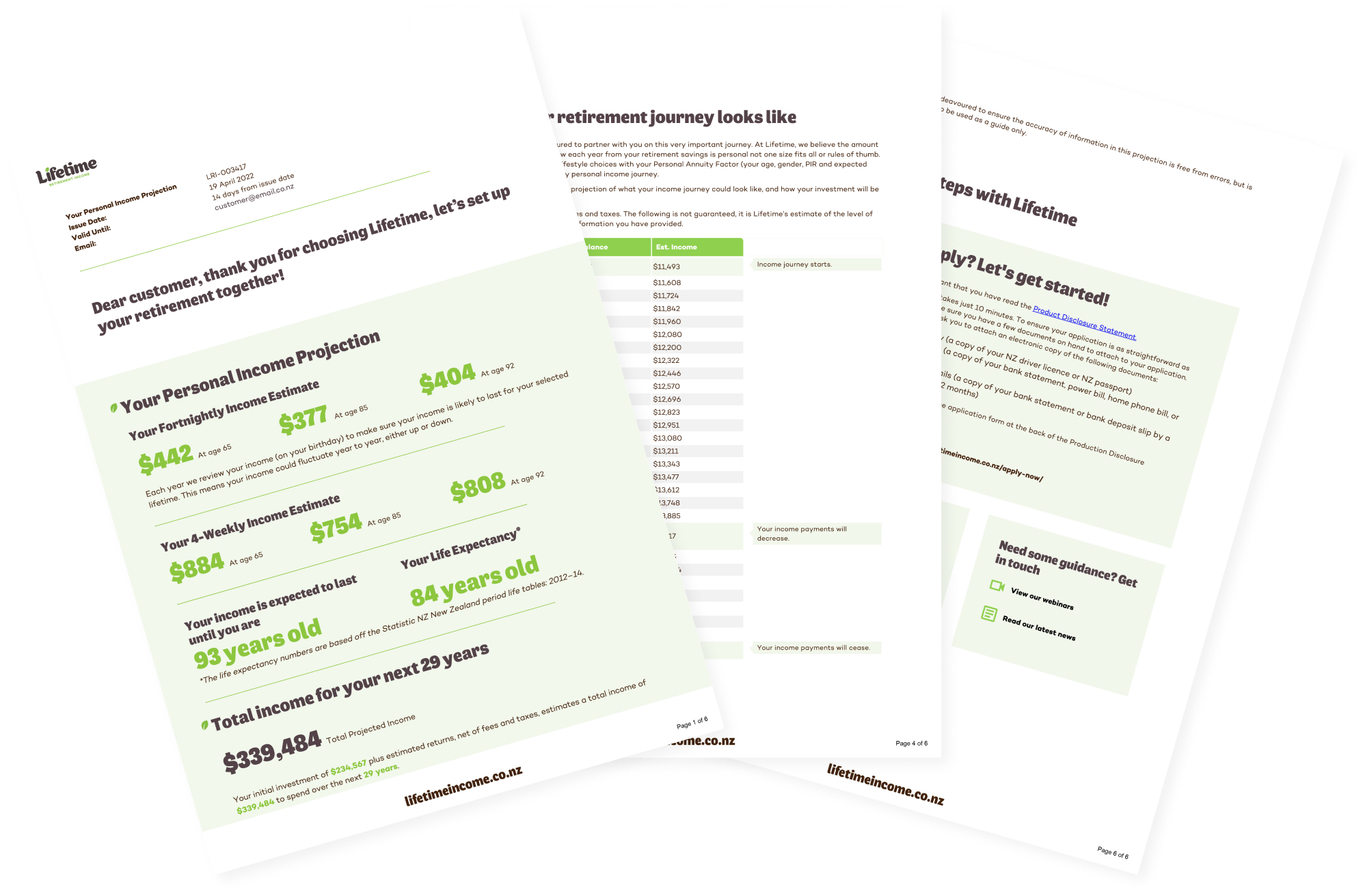
How much could you get a fortnight?


She gives the example of a family member moving in temporarily after a breakup, but never leaving, nor contributing to the extra household costs. Or it might be an older person being told it’s more important that a younger relative uses their car, because they’re retired, so their need isn’t as great.
This kind of abuse can be made worse when the cost of living is high, and families are under pressure, as is the case at the moment.
Why it can be hard to spot
Financial abuse is particularly difficult to recognise because it often happens within families and behind closed doors, with trust playing a big role.
Older people are far more likely to share financial access with someone they know and care about than with a stranger. That makes it harder to question their behaviour - even when something feels off.
Family members might say, “If you don’t help, I won’t bring the grandkids around,” or create a sense of urgency: “If you don’t give me the money today, I’ll miss out on this amazing business opportunity,” Naus says.
These statements are not just requests - they can be forms of manipulation.
“On one hand, there’s the desire from older people to support their family,” she says. “But from the younger generation’s point of view, their need can actually become their greed.”
Common red flags
There are warning signs to watch out for – both for yourself, and for friends and whānau:
- Pressure to act quickly or make urgent decisions
- Requests for secrecy or to keep things ‘just between us’
- Sudden financial changes, such as missing money or new debts
- Being asked to sign documents without time to read or understand them
- Requests to go guarantor or enter informal financial arrangements

Protecting yourself
The most important step is to slow things down, Naus says.
Taking time to think, ask questions, talk to a trusted friend, and seek independent advice from lawyers, financial advisers, or trusted third parties can make all the difference.
- Never sign documents immediately - especially online.
- Avoid informal agreements - ensure important arrangements are documented and reviewed.
- Stay involved in your finances, even if someone helps manage them.
- Speak up or get a second opinion if something doesn’t feel right.
Remember: your money is for you
Your financial resources are there to support wellbeing, your comfort, and your independence - not for others.
“We say an older person's money or financial resources are for everything they need or want until the day they die. And that includes things like expensive hearing aids, which can keep older people socially connected rather than isolated and depressed because they cannot hear to join in conversations,” Naus says.
Reporting it
If you suspect you or an older person you know is not being treated well or want to report abuse to your local Age Concern, phone 0800 65 2 105 or the 24-hour national helpline, 0800 EA NOT OK.
Project your retirement income.

Written by:
Sonia Speedy
Sonia Speedy has been a journalist for over 20 years, working in newspapers, magazines and radio. She also runs an online platform for parents at familytimes.co.nz. She lives on the Kāpiti Coast with her young family and loves writing stories that help make people's lives easier.
Invest with Lifetime for a retirement income managed for living.