Retirement Life
1 July 2026
Avoiding the consequences of a healthcare crisis
The latest Government Budget has clearly signalled the current state of the healthcare system in New Zealand. It has been underfunded for years, and our ageing population is pushing it to crisis point.
The question is whether the planned increase in annual funding from $31 billion to $34.2 billion will be enough to achieve the Government’s aim of ensuring ‘more New Zealanders have access to timely, quality healthcare’. The use of the word ‘more’ rather than ‘all’ is telling. The next decade will be challenging for those needing critical health services.
Staying healthy in the midst of a healthcare crisis will require some pre-planning. But there are ways we can take responsibility for our healthcare needs.
Choose a healthy lifestyle
As they say, prevention is better than cure. Our hospitals are overwhelmed with people suffering from chronic illness resulting from poor diet and exercise choices. Chronic inflammation is known to cause a number of common diseases and conditions including:
- Autoimmune disorders such as rheumatoid arthritis, lupus and multiple sclerosis
- Cardiovascular diseases
- Metabolic diseases like type 2 diabetes and obesity
- Gastrointestinal diseases such as inflammatory bowel disease
- Respiratory diseases such as asthma and chronic obstructive pulmonary disease.
- Cancer
Chronic inflammation can be reduced, or even eliminated, by following an anti-inflammatory diet (for example, the Mediterranean diet), increasing daily exercise and reducing stress.

Investigate natural therapies and remedies
Green prescriptions are available for people who wish to improve their diet and exercise. These are free, Government-funded prescriptions in which a healthcare professional or doctor writes a plan to help you improve your health through better nutrition and exercise.
There are also a number of alternative therapies which can help prevent the onset of disease, such as naturopathy, chiropractic, osteopathy, acupuncture and herbal remedies.
Set up your own health fund
Many people are choosing to set up a health fund to cover the costs of privately funded healthcare services and preventative health therapies. The size of this will be determined by your overall financial position, your health needs and the priority you place on healthcare.
Your fund can be set up by simply ring-fencing part of your investment portfolio and holding the funds in appropriate investments that allow easy withdrawals when needed. Some people choose to use a diversified fund such as KiwiSaver for this purpose, while bank deposits can also be used for more short-term needs. An investment adviser can help you weigh up these options.

Liz Koh
Consider health insurance
Health insurance is particularly useful for people likely to require medical treatment and/or services for significant non-urgent conditions, such as hip and knee surgery, cancer treatments, cataract surgery, specialist consultations, and imaging and diagnostics (MRIs, CT scans etc).
Being able to pay for these services privately helps avoid long queues in the public health system, which in turn can improve health outcomes and even save lives.
But the cost of health insurance premiums needs careful consideration, including the risk of health events and the benefits of being less reliant on the public health system. Key questions to ask when considering health insurance are:
- What are the key health risks you are facing, based on your previous health history, genetic factors and age?
- How willing are you to rely on the public health system for treatment, or alternatively, do you have sufficient financial resources to cover the cost of privately funded treatment and services?
It is always worth having a conversation with your insurer about options for reducing your premiums through an excess or exclusions.
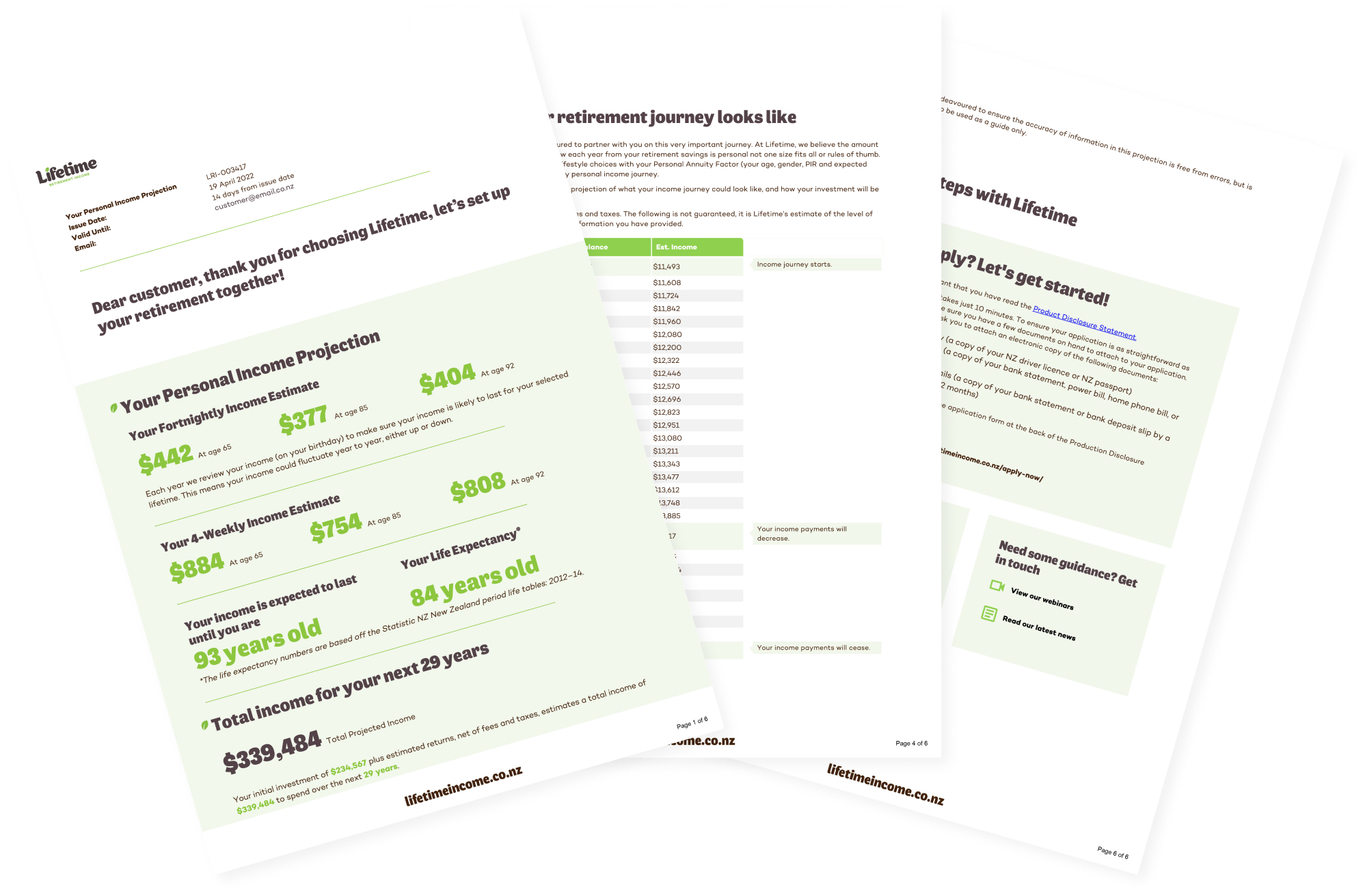
Project your retirement income.

Written by:
Liz Koh
Liz Koh is a money expert who specialises in retirement planning.
Invest with Lifetime for a retirement income managed for living.