Retirement Life
14 January 2026
Feed your brain: Tasty tips to stay sharp as you age
Scientists increasingly agree that certain foods and eating patterns can support cognitive health as we age. In fact, there is growing evidence that some diets could slow cognitive decline and even reduce the risk of dementia.
Better still, they’re delicious, flexible, and entirely compatible with a Kiwi lifestyle (and don’t require drinking three kale smoothies a day…unless you love them, of course!).
Why your brain cares about what you eat
Your brain may be small (comparatively speaking), but it’s hungry. It burns roughly 20% of your daily energy intake, even on days when you feel like your most strenuous activity was hunting down the TV remote.
A well-fed brain performs better. The right nutrients support nerve health, reduce inflammation, boost memory formation, and help keep blood vessels in good shape, all of which are vital for protecting your cognitive function over time. Conversely, diets heavy in saturated fats, sugar, and processed foods can accelerate inflammation and oxidative stress, which aren’t exactly friends to your neurons.
The bottom line: your brain thrives on whole, colourful foods packed with fibre, antioxidants, and healthy fats.
Request your free info pack today!

Meet the MIND Diet
If you like the idea of eating well without counting every almond that passes your lips, the MIND diet might be for you.
A hybrid of the Mediterranean and DASH (Dietary Approaches to Stop Hypertension) diets, the MIND approach was specifically designed to support brain health. Studies suggest that people who follow it closely could halve their risk of Alzheimer’s, while those who follow it moderately still see impressive benefits.
There’s nothing complicated about it. The MIND diet simply encourages foods that are known to protect the brain and discourages the handful that don’t.
Foods the MIND diet champions:
Leafy greens: spinach, kale, silverbeet, even good old lettuce. Aim for a serving most days.
Colourful vegetables: the brighter, the better.
Berries: blueberries, strawberries, raspberries (fresh or frozen).
Nuts: especially walnuts, almonds, pecans.
Whole grains: oats, brown rice, wholegrain bread.
Beans and legumes: lentils, chickpeas, black beans.
Poultry: chicken or turkey twice a week.
Fish: especially oily varieties once a week.
Olive oil: your go-to for cooking and dressing.
Optional red wine: in true moderation, and only if you already enjoy it (even then, the science is still out on this one).
Foods to keep in check:
Red meat (particularly processed meats like bacon and salami), cheese, butter, sweets, fried food, and processed snacks can all increase inflammation in the body, which can accelerate cognitive decline. You don’t need to banish them, just let them play smaller, occasional roles.
Brain-boosting foods worth adding to your plate
If diets feel a little too structured, you can still nourish your brain simply by adding more of the heavy-hitting ingredients below.
1. Oily fish
Salmon, sardines, mackerel, trevally and hoki are rich in omega-3 fatty acids, the superstars of brain nutrition. Omega-3s help maintain healthy cell membranes and appear to reduce the buildup of harmful proteins linked with dementia. Aim for one to two servings a week, or consider flaxseeds, walnuts, chia seeds or algae supplements if fish isn’t your thing.
2. Berries
Berries are packed with antioxidants and flavonoids that are linked to improved memory and reduced brain ageing. A couple of servings a week, even from the freezer aisle, can make a difference.
3. Leafy greens and cruciferous veg
Spinach, broccoli, kale and cabbage are high in vitamins (including folate and vitamin K) and plant compounds associated with slower cognitive decline. A simple stir-fry or a handful added to an omelette does the trick nicely.
4. Whole grains
Your brain loves steady energy, and whole grains release glucose slowly, keeping you alert without the mid-afternoon slump. Try wholegrain toast, oats, brown rice, quinoa or barley.
5. Nuts and seeds
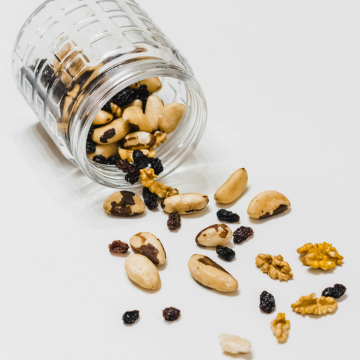
Nuts offer healthy fats, antioxidants and vitamin E, all important for protecting the brain. Walnuts, in particular, deserve their reputation as brain-shaped brain food.
6. Tomatoes, avocado and other colourful produce
Tomatoes supply lycopene; avocados offer lutein and healthy fats; pumpkins, carrots and capsicums contain antioxidants your brain thrives on. If your plate looks like a rainbow, you’re winning.
7. Coffee and tea
Good news for your morning ritual: caffeine may help improve alertness, mood and concentration. Tea and coffee also contain polyphenols, which may help reduce inflammation tied to dementia. Just watch the sugar.
Small changes, big difference
Changing your diet doesn’t need to be overwhelming. Start with tiny tweaks:
- Add berries to your morning porridge.
- Swap white bread for wholegrain.
- Make olive oil your default cooking oil.
- Put fish on the menu at least once a week.
- Snack on nuts instead of biscuits.
- Try adding lentils to your mince dishes.
Over time, these small actions accumulate (just like interest on your retirement savings). And, even better, recent studies show that even in older people switching to the MIND diet helped with memory. So, it’s never too late to update your plate!
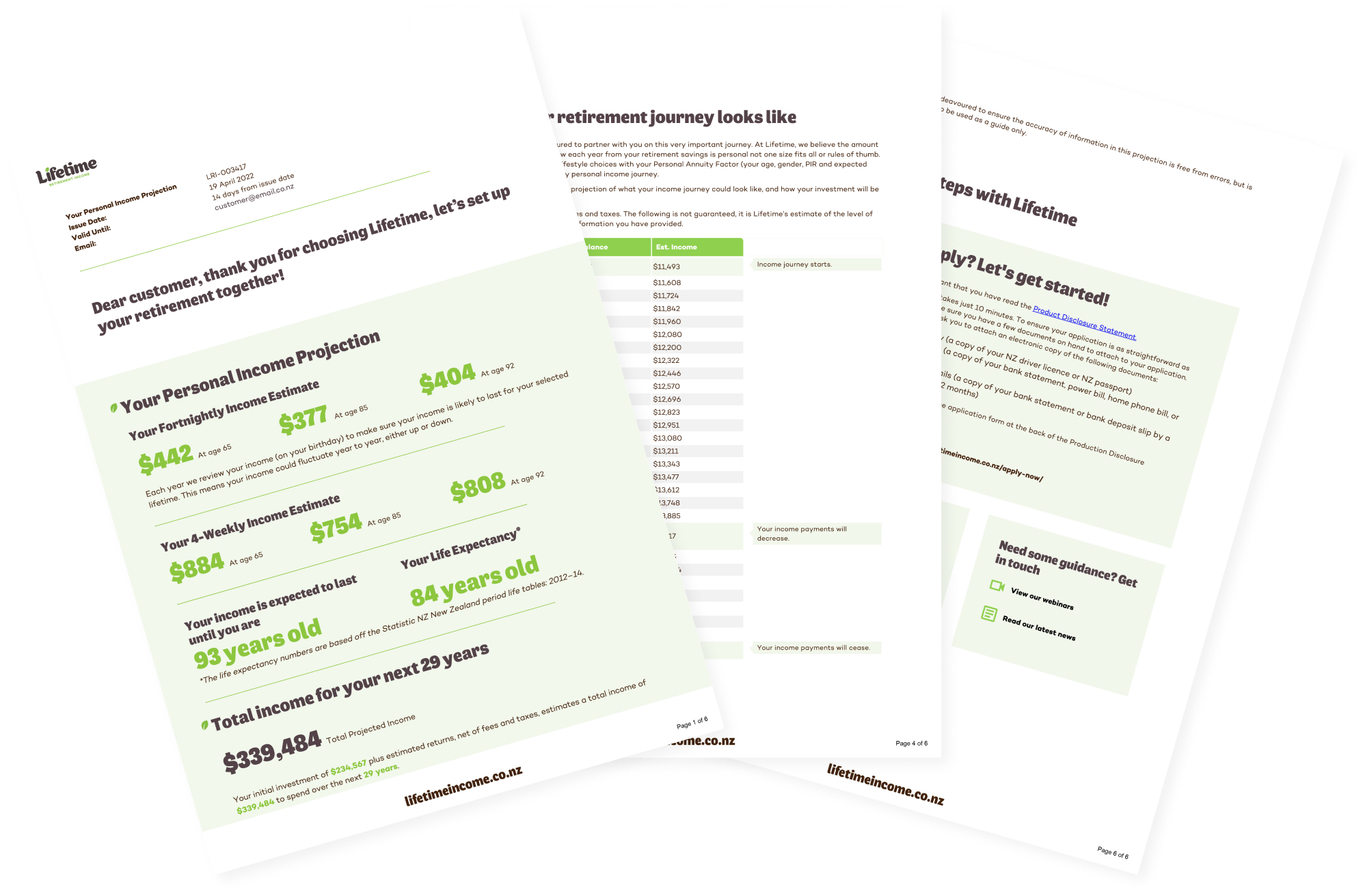
Project your retirement income.

Written by:
Vanessa Glennie
An experienced investment writer, having spent more than a decade writing about financial markets in the global fund management industry.
Invest with Lifetime for a retirement income managed for living.