Retirement Life
25 February 2026
Stop being so ‘sticky’: Switching banks is easier than you think
Annoyed with your bank? Spotted a better deal? Switching banks can be easier than you think — and your finances can benefit too.
Banks rely on customer ‘inertia’ — our tendency to stick with what we know and avoid the hassle of moving. That laziness makes us ‘sticky’ clients. But today, switching banks is straightforward, relatively fast, and mostly handled for you.
Why we are so ‘sticky’
In 2024, the Commerce Commission found that around half of New Zealanders have never switched their main bank. Many people lacked confidence when comparing banks or found the process hard to navigate, which led to even more stickiness. The Commission also criticised the bank-run switching service, prompting a revamp into the new Ready to Switch website.
Consumer New Zealand’s research shows that some of the biggest banks, with the largest market share, have the lowest customer satisfaction ratings. So why are we sticking around?
How to switch
The good news is your new bank can usually move everything over within five working days, including automatic payments, direct debits and your payee details.
Request your free info pack today!

Step one: Do your homework first
Make sure you research the market before making the switch. Check out the interest rate on savings, and don’t forget to check out account fees too. If you frequently go into overdraft, double-check overdraft fees. Sites like MoneyHub, Interest.co.nz and Consumer NZ’s banking satisfaction survey can help with researching a new bank to switch to.
Step two: Open your new account
This needs to be done before you start the switching process. This is also a good time to tidy up your old bank account and get rid of anything you don’t need, such as zombie subscriptions or outdated payee details.
Step three: Talk to your new bank
They’ll give you a Switching Bank Request Form to fill out. This will ask for things like:
• your old bank’s name and your account name,
• your old bank account numbers,
• the date to start the payments transfer,
• a signature for an authority and indemnity.
Then they do the magic: moving your automatic payments, direct debits, payee lists, and (if you want) your remaining balance.

Step four: Liaise with your new bank to complete the process
While the new bank does most of the heavy lifting, there are a few tasks you’ll need to look after. In particular, you’ll need to change any incoming payments over – things like giving your workplace, WINZ or any clients, your new account information.
Staying safe
Remember, banks will never ask you for any secure details like passwords or PINS related to any bank account you hold. If someone is asking you for these, be suspicious.
And consider keeping your old account open for a short time, this is known as making a ‘soft switch’, until you’re sure everything has moved across smoothly.
The advice given here is general and does not constitute specific advice to any person.
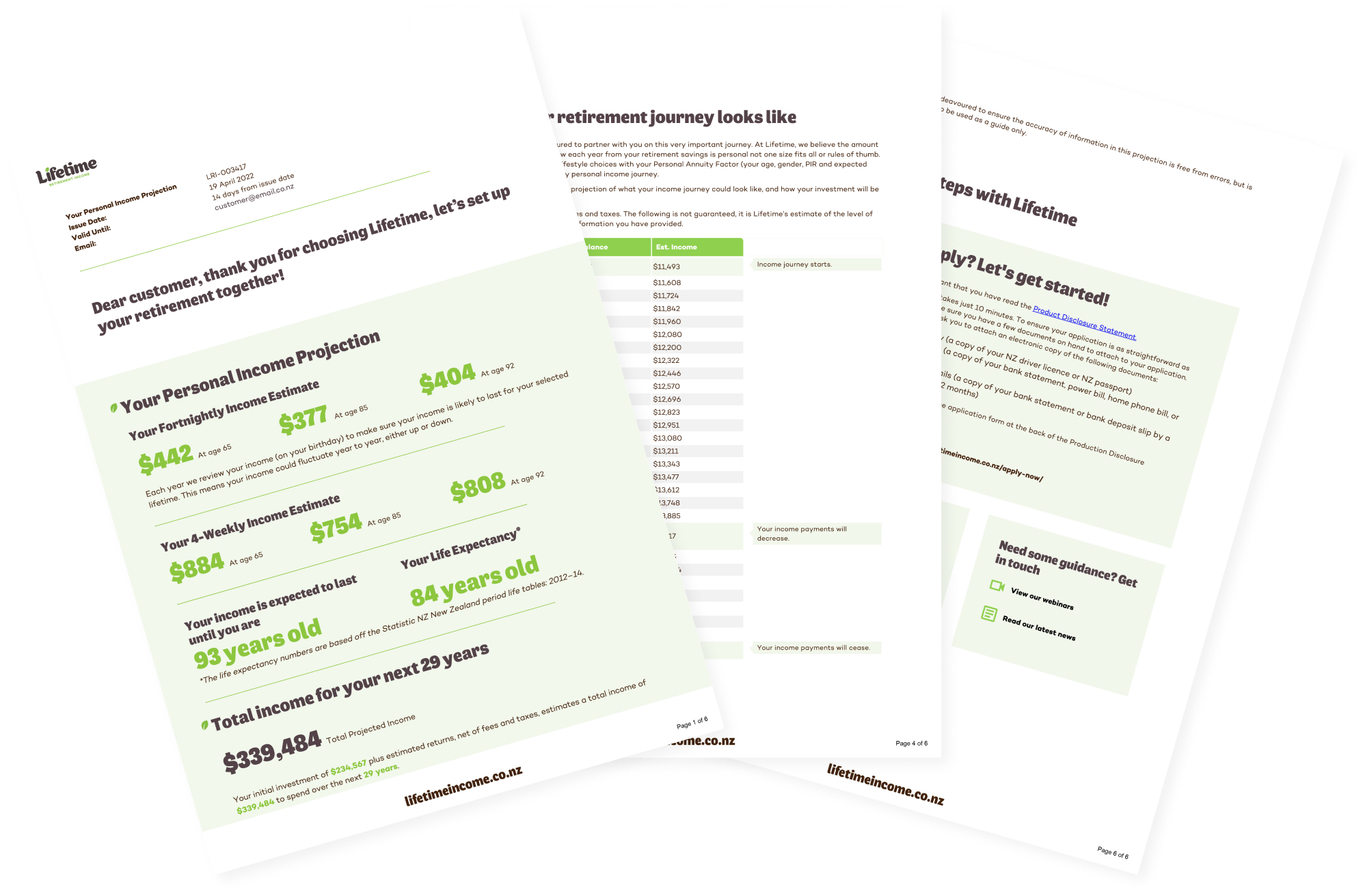
Project your retirement income.

Written by:
Sonia Speedy
Sonia Speedy has been a journalist for over 20 years, working in newspapers, magazines and radio. She also runs an online platform for parents at familytimes.co.nz. She lives on the Kāpiti Coast with her young family and loves writing stories that help make people's lives easier.
Invest with Lifetime for a retirement income managed for living.