Retirement Life
11 February 2026
Getting your regular medication just got easier
Kiwis can now get 12-month prescriptions for some medications, saving up to $105 a year in GP fees, as new prescribing rules for those with long-term, stable conditions come into play.
The change is part of Budget 2025 and came into effect on 1 February 2026. Health Minister Simeon Brown and Associate Health Minister David Seymour say the move is aimed at providing savings and more convenience for people on long-term treatments.
“It gives patients greater certainty and frees up GPs’ time by reducing the number of appointments needed to renew routine prescriptions,” Brown says.
How does it work?
Patients continue to collect their repeats from the pharmacy as they normally would – every three months (or six months for oral contraceptives). However, some patients won’t need to go back to their doctor every three months for a new script, but every 12 months instead. Brown says this could save patients up to $105 a year in GP fees.
Patients will continue to be charged the same co-payment for prescriptions as they are now, which for most patients is $5 per medicine per prescription. There are no changes to eligibility for prescription fee exemptions or the prescription subsidy scheme.
Request your free info pack today!

Who benefits?
The change is particularly aimed at those managing long-term conditions, such as asthma, diabetes, epilepsy and high blood pressure.
However, everyone benefits as the move should free up the time of GPs, pharmacists and other health professionals.
It’s hoped the move will not only save time and money, but also provide easier, consistent access to the right medications - helping keep people healthier, for longer.
What medicines are covered?
Pharmac says prescribers will decide on the prescription length that best suits each person’s health needs. However, it is most likely to apply to people who need repeated medications, like asthma inhalers, insulin, and blood pressure medication. It also applies to oral contraceptives, which have had a six-month prescribing limit. It won’t apply to ‘controlled drugs’ (like opiates), which are tightly controlled.

What else is happening?
The government is also making changes to boost the number of pharmacists that can prescribe certain medications, by removing ownership restrictions that prevent some pharmacists from becoming prescribers.
“Current legislation prevents any prescriber from owning or holding an interest in a pharmacy without an exemption. This is an unnecessary barrier for pharmacists who want to take on prescribing responsibilities,” Brown says.
The Medicines Amendment Bill will change this. There are about 100 pharmacist prescribers currently working in GP clinics, hospices, and hospitals, but none in community pharmacies due to this rule.
Pharmacists will also be able to prescribe a wider variety of medicines, with an additional 20 medicines added to the over 1,700 they were previously able to prescribe.
Registered nurse prescribers have also had their prescribing remit widened and, since early December, have been able to prescribe an additional 211 medicines, on top of the 240 they could previously prescribe.
“When people can access their medicines easily, they stay healthier for longer. This means they can live more fulfilling lives. It also reduces pressure on other parts of the health system,” Brown says.
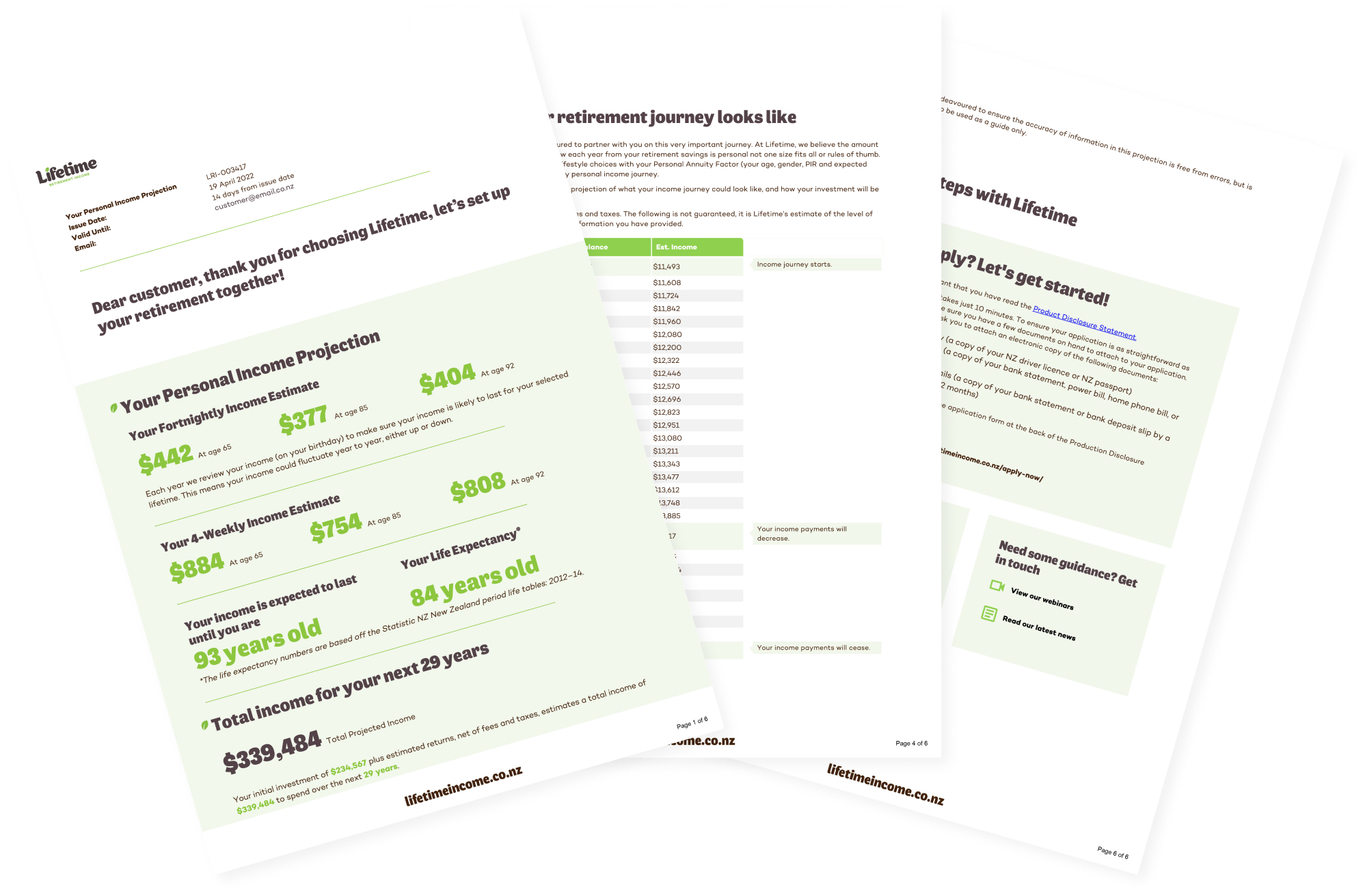
Project your retirement income.

Written by:
Sonia Speedy
Sonia Speedy has been a journalist for over 20 years, working in newspapers, magazines and radio. She also runs an online platform for parents at familytimes.co.nz. She lives on the Kāpiti Coast with her young family and loves writing stories that help make people's lives easier.
Invest with Lifetime for a retirement income managed for living.